Alcohol and drug addiction are powerful diseases that require an individualized treatment plan from a coordinated team of experts. People who’ve tried to quit without support often feel their case is hopeless and they’re doomed to repeat the addiction cycle forever, but this couldn’t be further from the truth. A personalized addiction treatment center that takes into account your unique history and needs can set anyone free from drug or alcohol addiction.
Ranch Creek Recovery’s California drug rehab center is based in Murrieta and Temecula and is about an hour’s drive from San Diego. We provide both a residential recovery program and outpatient rehab services. We care deeply about the individual behind the addiction and help you understand the reasons you turned to substance abuse to help you gain control over addiction for good. Contact us or call us at (951) 643-0573 today to get started.
We’re not like every other San Diego treatment center
Ranch Creek Recovery is a drug rehab center that helps people in the San Diego area by providing addiction treatment services that cover the entire spectrum of the disease, including inpatient, outpatient and long-term residential treatment programs. We offer medically assisted detox and medication-assisted treatment (MAT) alongside evidence-based therapy, holistic therapy and psychoeducation for you and your family. Our team is also dedicated to making sure you understand the importance of ongoing relapse prevention in long-term recovery.
If you or someone you love is struggling with a substance use disorder, there’s no need to suffer in silence. Addiction treatment is a life-changing experience that provides tools, resources and therapeutic approaches you can use the rest of your life to help you cope with challenges and self-soothe. You learn the importance of a healthy lifestyle and get into a structured routine, which makes maintaining sobriety infinitely easier.
We believe self-empowerment is the key to long-lasting recovery and provide everything you need in a safe, luxurious setting that serves as the ideal backdrop for self-exploration.
Our residential drug rehab near San Diego
Residential inpatient drug rehab is the best choice for individuals who’ve found themselves unable to function at full capacity in daily life. It provides a unique opportunity to remove yourself from the triggers and stressors of your home life, enabling you to reset your lifestyle and make a truly fresh start. Our drug rehab team wraps their arms around you and gets to know you as a person so they can equip you with the specific tools you need to break free from addiction.
If you were to travel from San Diego to one of our two residential treatment facilities, below is what you can expect from our treatment programs at Ranch Creek Recovery.
Our residential drug rehab near San Diego

Residential inpatient drug rehab is the best choice for individuals who’ve found themselves unable to function at full capacity in daily life. It provides a unique opportunity to remove yourself from the triggers and stressors of your home life, enabling you to reset your lifestyle and make a truly fresh start. Our drug rehab team wraps their arms around you and gets to know you as a person so they can equip you with the specific tools you need to break free from addiction.
If you were to travel from San Diego to one of our two residential treatment facilities, below is what you can expect from our treatment programs at Ranch Creek Recovery.
Detox and Medication Assisted Treatment
Drug detox is the first step of the recovery journey at Ranch Creek Recovery for many San Diego, CA residents, but it should never be the last. We understand that clearing your system of substances is just the beginning of the recovery process and by no means a cure for addiction. We offer both medication assisted treatment and sub-acute detox services, which are less intensive than an inpatient detox but can serve as a step down from it or as a first step for someone with a moderate to severe addiction.
Our aim during detox is to minimize the discomfort associated with withdrawal symptoms and support you physically, emotionally and holistically through this vulnerable process. We assess whether you require the service during your intake assessment, and once complete, you’re primed for therapy and holistic treatment.
Individualized Treatment Options
One of the standout aspects of care at our drug rehab centers near San Diego is the fact that each facility only has six beds. This means our treatment team of addiction specialists has plenty of time to dedicate to each client and no one gets left behind. Each treatment plan is continually assessed and reassessed to ensure it’s meeting your specific needs, and you’ll learn which approaches work best for you and which ones don’t.
We take a multipronged approach, combining traditional therapy such as CBT and DBT with holistic rehab approaches such as yoga, group therapy, guided meditation, fitness and equine-assisted therapy. What works for one person might not work for another, and we’ll help you determine the perfect combination for your individual requirements.
Relapse Prevention
Addiction is a chronic disease, which means there’s no cure for it, but you can take steps to gain full control over your symptoms. Just like hypertension or diabetes, you’ll need to actively maintain recovery and keep the condition in mind every day — otherwise, symptoms can resurface.
We help you develop the necessary coping skills to deal with triggers, in addition to teaching you the mechanism behind relapse and how to recognize your own early warning signs.
Family Education
While most people’s families are well-meaning, the general public’s lack of understanding of addiction and mental health treatment means their well-intentioned interventions can sometimes do more harm than good. Unless you’re a substance abuse treatment expert, you don’t intuitively understand how to help someone who struggles with a substance use disorder.
Family education and counseling provide an opportunity for you and your family members to learn how to set healthy boundaries, communicate effectively and understand the mechanism behind addiction.
Cognitive and Dialectical Behavior Therapy
For many San Diego residents who struggle with addiction, mental health treatment is also required. This is because drugs and alcohol wreak havoc with the chemicals inside your brain and body that are responsible for governing your behavior, mood and movement.
Some people use substances to try to self-medicate, but these short-term solutions to emotional dysregulation inevitably do more harm than good to your overall mental health. Other people find drugs or alcohol cause issues with their mood and emotions that were dormant or not present before the onset of addiction.
Whether drugs or alcohol are a symptom or a cause of mental health issues, evidence-based mental health services such as cognitive behavioral therapy and dialectical behavioral therapy can help you understand yourself and take steps to modify your responses. When practiced alongside experiential approaches, you can learn to mindfully and gently redirect your actions away from unhealthy coping mechanisms and towards healthy ones.
Holistic Treatment Practices
Holistic treatment means taking into account the entire individual behind the addiction, including mind, body and spirit. Many people who struggle with addiction haven’t been taught healthy coping mechanisms or struggle to self-soothe through no fault of their own. Experiential therapy helps you build skills and resilience that make it easier to maintain sobriety and stand firm in the face of triggers and stress that negatively affect your mental health.
For example, physical exercise in the form of yoga, cardio and resistance training provides nourishment to the body, which in turn makes the mind and spirit stronger. Activities such as mindfulness and guided meditation allow you to find calm and quiet when your mind is racing, helping you focus on what matters most, even when you’re under stress. Equine-assisted therapy and gong sound healing therapy impact the body but resonate on a spiritual level, helping you reconnect with yourself and nature.
Our intensive outpatient program near San Diego
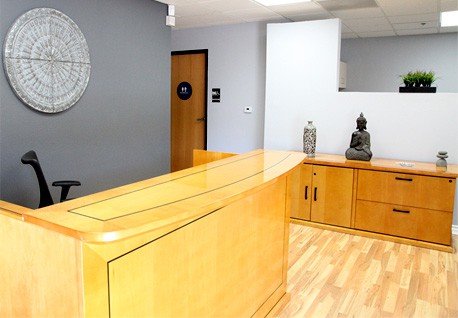
In addition to our residential rehab program, we offer intensive outpatient programs in Temecula for drug and alcohol abuse treatment. This setting is perfect for people who’ve lost their freedom to substances but aren’t able to commit to long-term residential care for whatever reason.
Daytime and evening sessions are available, and you attend the center three times a week for eight weeks.
Substance Use Disorders We Treat

The incidence of drug and alcohol addiction continues to rise at an unprecedented rate. San Diego is one of the most affluent areas in the world, but it’s by no means immune to addiction. At our three treatment centers, we treat the full spectrum of substance use disorders.
Let’s look at some of the most common addictions we’ve helped people overcome.
Alcohol Addiction
Alcoholism is the most common addiction in the United States, and it’s no less serious than any other drug addiction. In fact, due to its intense physical impact on the body, alcohol can be one of the most dangerous and challenging addictions to cope with and overcome. This is also partly due to the fact that consuming alcohol is perfectly legal, and there’s a fine line between being someone who likes to party and someone with a problem.
If alcohol is a major priority in your life and you don’t feel you can do without it, you probably need to seek the help of an alcohol treatment program. Our team at Ranch Creek helps individuals from San Diego overcome addiction to alcohol through the use of individualized care, holistic treatment, and a focus on treating the person, not the addiction.
Heroin and Opiate Treatment
Opiates are some of the most powerfully addictive substances known, and their reputation for causing people to become down and out and destitute is well known. This reputation adds an extra layer of shame to people who use the drugs, adding to the already significant stress caused by such all-consuming substances.
Thankfully, with guidance and support from experts, anyone can overcome opioid addiction and rebuild their life.
Fentanyl and Opioid Treatment
Fentanyl is a powerful opioid that is often abused in the San Diego area. It can be very addictive and dangerous.
If you are struggling with an addiction to fentanyl, we can help. Our comprehensive offerings from our three treatment centers near San Diego will help you overcome your addiction and get your life back on track.
Prescription Medication Dependence
Addiction to prescription medications often sneaks up on unsuspecting people who are seeking relief from symptoms such as insomnia and anxiety. The drugs that treat these conditions are not cures but temporary patches designed to be used on a short-term basis.
Using prescription meds long-term can make any preexisting symptoms worse, and drug rehab is often required because people underestimate the power of doctor-prescribed drugs.
Methamphetamine Treatment
Methamphetamine is a highly addictive and dangerous substance that can turn people’s lives upside down. Its powerful, long-lasting effects put users in serious danger, not just because of the substance itself but because of the behavior it can lead to.
If you’re struggling with a meth addiction, you don’t have to suffer alone and deserve to seek help from a safe, supportive treatment provider like Ranch Creek Recovery.
Benefits of Our Addiction Treatment Center

If you live in San Diego or the surrounding areas and know someone with a substance abuse problem, Ranch Creek Recovery can help by providing quality drug rehab and mental health services to those with prescription medication, illegal drugs, alcoholism and other addictions.
Known for its beach weather and mild climate, the San Diego area is the ideal setting for drug and alcohol rehab. Rolling mountains provide spectacular sunrise views for our patients to wake to. Breezy afternoons contribute to our outdoor therapies, such as yoga, and peaceful evenings end the day, allowing for calm reflection.
Our intimate and peaceful treatment facility near San Diego allows our patients the privacy and freedom to overcome the personal issues that led to their addiction and forge a new path of sobriety. We blend both traditional medicine and holistic practices to combat the issue at all levels and allow our patients to move forward.
Other benefits of our drug and alcohol rehab center include:
- Housed in a scenic area that takes full advantage of the natural beauty the city and state have to offer
- Conveniently located to allow family and friends to visit while letting our patients escape the noise of the city
- Elegantly decorated rooms with all the amenities that feature stunning views of the grounds
- Staffed with the best board-certified physicians, therapists and licensed counselors and the leading natural and holistic healing practitioners in the area
San Diego Drug Addiction Statistics
According to the San Diego District Attorney, 2017 was the first year that overdose deaths from opioids surpassed every other drug, including methamphetamine. There were 250 overdose deaths related to opioids alone that year. And with deaths from fentanyl overdose increasing by more than 2,100% in the five years between 2015 and 2020, the full extent of the local drug problem is becoming starkly clear.
While the statistics regarding drug abuse in San Diego are stark, you don’t have to become another statistic. Reach out to Ranch Creek Recovery today to regain control over your future and drop drugs or alcohol from your life for good.
Start our Drug or Alcohol Rehab Journey Today
If you or someone you care about could benefit from drug or alcohol rehab and lives in the greater San Diego area, please contact us or call us at (877) 997-8931 to see how we can help.