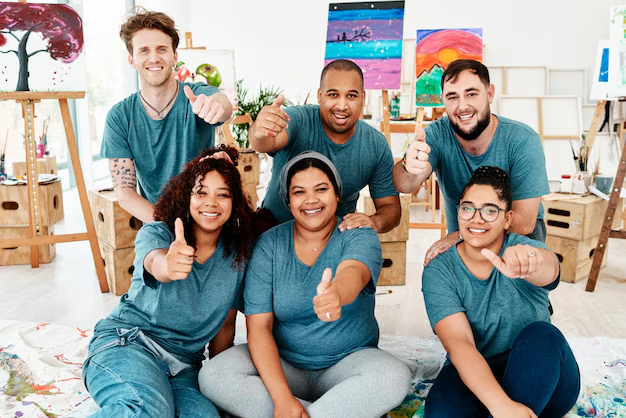
A blank canvas sits on an easel in a quiet room at a treatment center. A woman picks up a brush, dips it in blue paint, and starts tracing shapes she cannot name in words. Twenty minutes later she is crying, laughing, and pointing at a swirl of color that somehow holds a memory she buried years ago.
This is what art therapy for addiction treatment looks like in practice. It gives people working through substance use disorder a way to reach feelings that talk therapy alone cannot always touch, and it has become a core part of how forward-thinking treatment programs approach recovery.
Art therapy is a licensed mental health practice that uses drawing, painting, and other creative methods inside a therapeutic relationship. A trained art therapist guides the session, and the finished artwork becomes material the therapist and client examine together afterward. That distinction separates clinical art therapy from a recreational painting class at a wellness retreat.
A graduate-trained art therapist studies psychology and studio art side by side, so they read a session the way a counselor reads body language during conversation. They watch how a client approaches the blank page, what color they reach for first, and what themes keep resurfacing across several pieces. None of it happens by accident, and none of it gets brushed aside.
A session usually pulls from a mix of approaches, including
Addiction rewires the brain’s reward and emotional regulation systems over time. Many people entering treatment have relied on substances for years to numb feelings they never learned to name in the first place. Creative work reaches those feelings through a different door.
When a client paints or sculpts, the brain stays active in ways that talk therapy alone rarely triggers. The prefrontal cortex handles the decisions involved in choosing colors and shapes, while deeper emotional and body-based material rises to the surface at the same time. A 2016 study published in Arts in Psychotherapy found that art therapy for addiction reduced substance cravings and improved emotional regulation among people in recovery.
Clients often say they reach feelings through a paintbrush that stayed locked away during conversation. Art not only helps with depression but also increases self-esteem among people.
Hence, watching an internal experience take shape on paper makes it far easier to talk about once the piece is finished. Sitting with discomfort long enough to turn it into something visible teaches a valuable lesson too. Feelings do not have to get pushed away. A person can look at them, work with them, and move through them instead
Shame, anxiety, and unprocessed trauma show up constantly in substance use disorder treatment. These feelings absolutely resist getting put into sentences. Art therapy gives people a way around that resistance.
Trauma tends to live in the body and in images rather than in language, so an approach built around imagery matches the way the body stores trauma in the first place. A client does not need to build a verbal account of what happened to them. They can represent it symbolically instead, at a distance that feels safe enough to sit with.
Over weeks of sessions, that distance shrinks bit by bit. The nervous system gets room to process difficult material slowly instead of all at once, which matters enormously for clients who shut down the moment a therapist asks them to describe a hard memory out loud.
Art therapy never replaces evidence-based clinical care. Programs pair it with cognitive behavioral therapy, dialectical behavior therapy, motivational interviewing, and medication-assisted treatment, and the combination gives clients more than one path toward the same emotional material.
Sessions inside a residential program usually run 60 to 90 minutes and happen either one-on-one or in small groups. Individual sessions open room for deeper trauma work that would not fit inside a group setting. A therapist might spend several sessions returning to one image that keeps reappearing in a client’s work, tracing it back to where it started and slowly working through what it holds.
Group sessions add a different kind of value. Clients create side by side, share their work when they choose to, and see that other people in the room carry similar weight. Art therapy for addiction recovery in a group setting cuts into the isolation that so often surrounds substance use disorder, and it hands people a normalizing experience many never had inside their own families.
A finished piece definitely becomes tangible evidence of a pattern a client has been avoiding, and feedback from peers lands differently when it points at something visible on paper instead of something abstract.
Anxiety, shame, and low self-worth show up together constantly in addiction recovery, and art therapy addresses all three inside the same creative process.
A 2024 meta-analysis found a large improvement in anxiety symptoms among people who engaged in art therapy, with results strong enough to stand out even among other complementary treatments. Earlier research followed 47 women with anxiety disorders through 10 to 12 sessions over three months and found real gains in emotional regulation and quality of life. Clients frequently describe feeling calmer by the end of a single session, and something as simple as scribbling during an opening check-in helps settle a racing mind before the deeper work starts.
Shame drives addiction in ways that talk therapy sometimes struggles to reach, since shame convinces people to hide the very thing that needs attention most. Art therapy for addiction treatment helps by giving clients a way to externalize a harsh inner voice through an image instead of carrying it silently. Once that voice sits on paper instead of inside a person’s head, a client can examine it and push back against it instead of letting it steer every decision.
Self-esteem grows through this same process. Finishing a piece of art, even an imperfect one, gives a person proof that they can build something instead of tearing it down. That sense of accomplishment works directly against the guilt addiction leaves behind, and many clients end up hanging their finished pieces at home as a reminder of what they created while getting sober.
A session usually follows a rhythm that keeps clients emotionally safe from start to finish.
Most sessions open with a grounding moment, maybe a breathing exercise or a quick check-in that eases the transition into creative space. A facilitator often has the group scribble freely while introducing themselves, which lowers tension before anyone touches a heavier topic. From there, the therapist introduces a theme tied to recovery, something like cravings, the inner critic, or a difficult memory, and clients start creating.
Common activities include
Once the art-making winds down, the group moves into reflection. Clients talk about what came up, and the therapist helps connect it back to their recovery. A session closes with clients naming one thing they are taking with them, and most people leave feeling noticeably calmer than when they walked in.
Art therapy tends to help most when a few patterns show up in someone’s recovery.
You might benefit from this approach if any of these describe your situation
Art therapy works as a supplement to primary treatment, not a substitute for it. It pairs with DBT, CBT, or a 12-step program rather than standing on its own, and every credible program treats it that way.
A 2021 study followed 84 adults in residential addiction treatment and found that regular art therapy sessions helped participants build a more coherent story out of scattered memories. The same group showed measurable drops in cortisol and anxiety after four weeks of twice-weekly sessions. Across multiple studies, people who engaged in art therapy showed real reductions in PTSD symptoms, depression, and anxiety compared to those who did not, with some of the strongest effects showing up in trauma symptom reduction specifically.
If you are researching alcohol rehab California options that treat the whole person instead of just the addiction, ask directly whether art therapy sits inside the program.
Art therapy for addiction treatment gives people a route toward healing that regular conversation cannot always reach on its own. For this, you don’t have to be a professional artist. It works alongside evidence-based clinical care, not in place of it, and it gives clients a way to process their emotions through images instead of only through words.
The benefits reach past the treatment center too. Many people carry a paintbrush, a journal, or a lump of clay into their sober life and find that creative work fills the space substances used to occupy. That shift alone can support a recovery that lasts well beyond discharge.
Ranch Creek Recovery builds art therapy into treatment alongside proven clinical methods, giving clients more than one way to heal. If you are looking into outpatient drug rehab Temecula programs that treat emotional health and substance use together, reach out to learn how a creative, whole-person approach can support lasting recovery.
No skill required at all. Art therapy cares about what the process brings up, not how the finished piece looks.
It gives you a way to release cravings, process trauma, and rebuild self-esteem without touching a substance. Cravings tend to loosen their grip once buried feelings get somewhere to go.
A supplement, always. It works best next to therapies like CBT, DBT, or a 12-step program, never instead of them.
Sessions might include drawing, painting, collage, sculpture, or art journaling depending on the theme that day. Every material serves the same goal, giving feelings a shape outside your head.
Yes, often more directly than talk therapy alone. Trauma lives in imagery and sensation more than language, so an image-based approach reaches it head on.





Space is Limited. Call to Check Availability.
(877) 997-8931